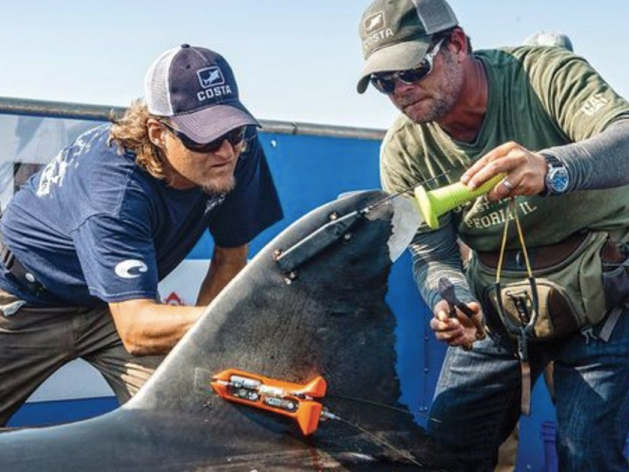
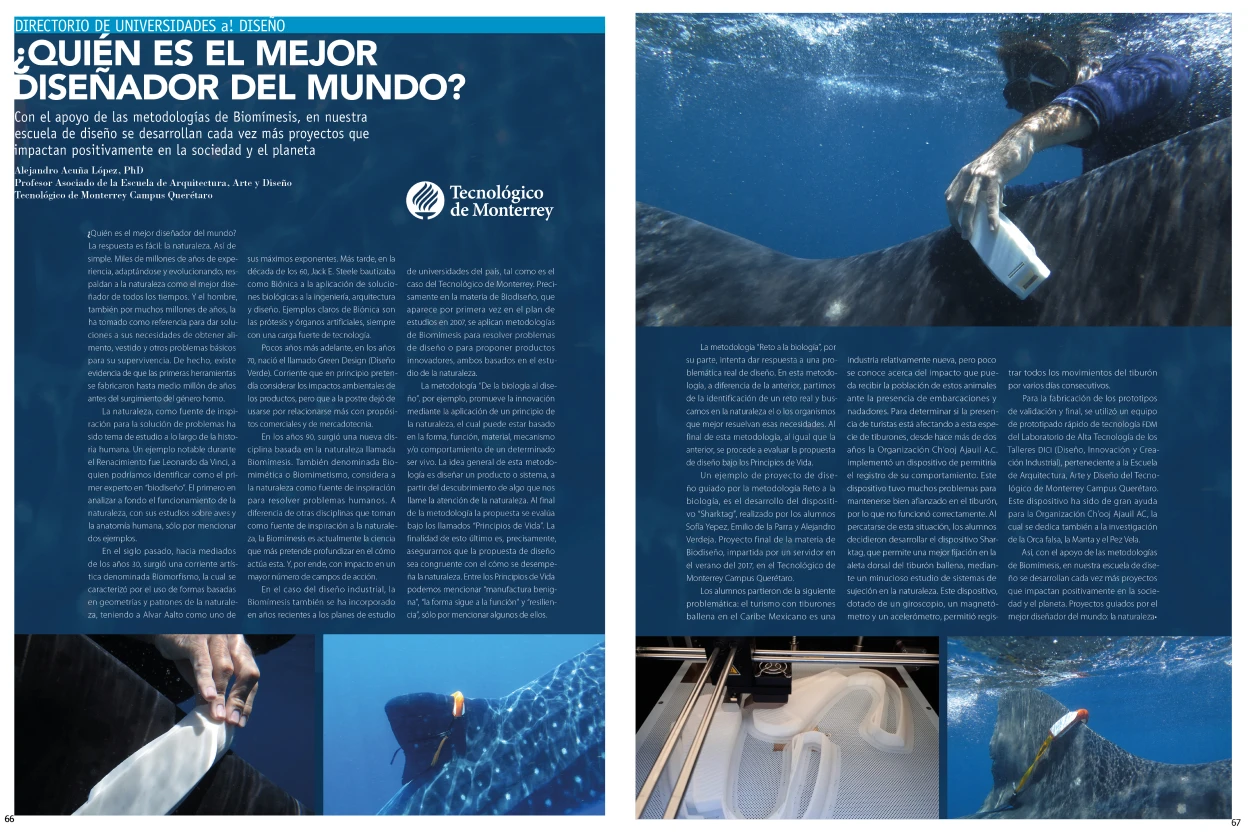
Product design for whale shark monitoring device, in collaboration with mexican research center Chooj’ Ajauil, Cancun.
featured in a! diseño
world design capital mx’18
intl whale shark congress, aus
UX RESEARCH PRODUCT DESIGN
featured in a! diseño
world design capital mx’18
intl whale shark congress, aus
context
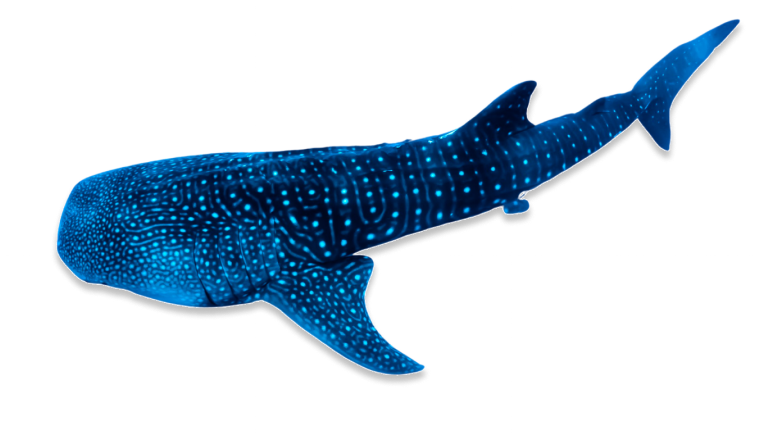
Whale sharks are an endangered species, and research on them is limited due to the difficulty in accessing the animals. While monitoring devices have been developed, they come with significant challenges: they are invasive, cause harm to the shark’s skin, and disrupt natural behaviors. Moreover, the whale shark’s large size and vast habitat complicate the design of research tools that can gather accurate data without compromising the species’ safety.
Design team: Sofía Yépez, Alejandro Verdeja & Eugenio De La Parra
Whale sharks are an endangered species, and research on them is limited due to the difficulty in accessing the animals. While monitoring devices have been developed, they come with significant challenges: they are invasive, cause harm to the shark’s skin, and disrupt natural behaviors. Moreover, the whale shark’s large size and vast habitat complicate the design of research tools that can gather accurate data without compromising the species’ safety.
Design team: Sofía Yépez, Alejandro Verdeja & Eugenio De La Parra
current pain points
POOR GRIP
Affects motor function accuracy and data reliability
wasted functionality
Key features become unusuable, resulting in missed valuable data recollection.
Invasive design
Pierces the whale shark’s fin, risking sores and infections.
Difficult attachment
Hard to secure the device properly due to the animal’s size, habitat and motion.
Poor hydrodynamics
Form lacks smooth flow, causing rapid wear and tear.
A BIG CHALLENGE
how do you design for such an unconventional user?
BIOMIMICRY
Drawing inspiration from natural processes, systems, or organisms to solve human challenges. It involves studying nature’s time-tested patterns, strategies, and mechanisms, and applying them to create more sustainable, efficient, and innovative solutions.
Drawing inspiration from natural processes, systems, or organisms to solve human challenges.
Mimicks biological forms of nature for seamless adaptation
Sustainability in mind, aiming for a harmony between human technology and the natural ecosystems
It’s design recognizing that nature, through millions of years of evolution, has already solved many problems in ways that are energy-efficient, sustainable, and optimized for complex enviornments.
Define
Intrepert
Discover
Abstract
Emulate
Evaluate
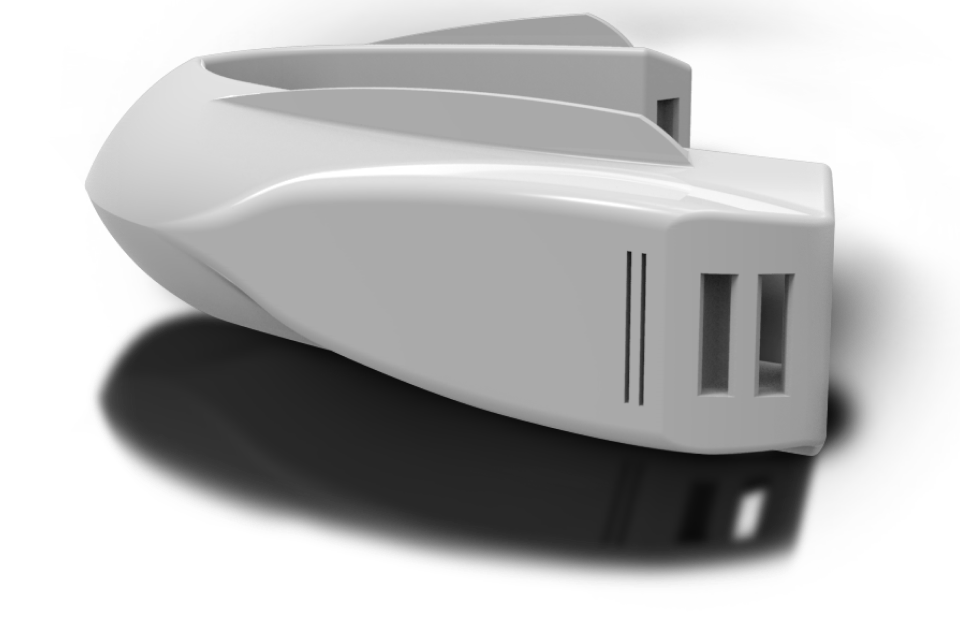
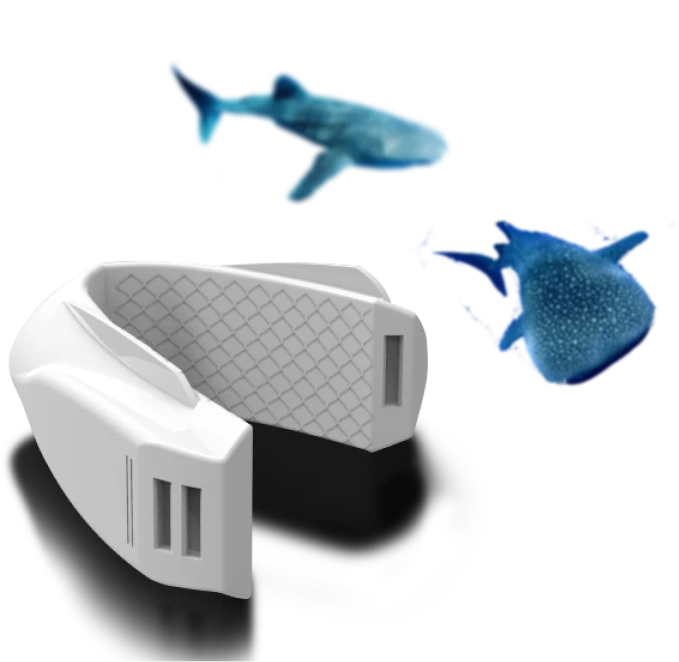
THE “SHARKTAG”
Perfected grip
Using biomimicry principles for adhesion mechanisms.
Improved functionality
The gyroscope, magnoscope and accelerometer features renabled.
Non-intrusive design
That prevents colateral damage such as infections. Additionally, if the sharktag is separated from the whale shark, the device floats and can be easily tracked for retrieval istead of becoming litter.
Easy attachment
Without the need to immobilize the animal.
Great hydrodynamics
Streamlined shape with laminar flow for directional stability and durability.
*Some of the details were edited out since the designed is currently going through trademarketing process.
testing phase
Using 3D printing technology, we created the first prototype. Debbie became the first whale shark to test the Sharktag.
Meet Debbie
our beautiful model
Meet Debbie
our beautiful model
For size reference, the diver is 1.75m tall! Whale sharks can be up to 18m long and weight about 34,000 kg.
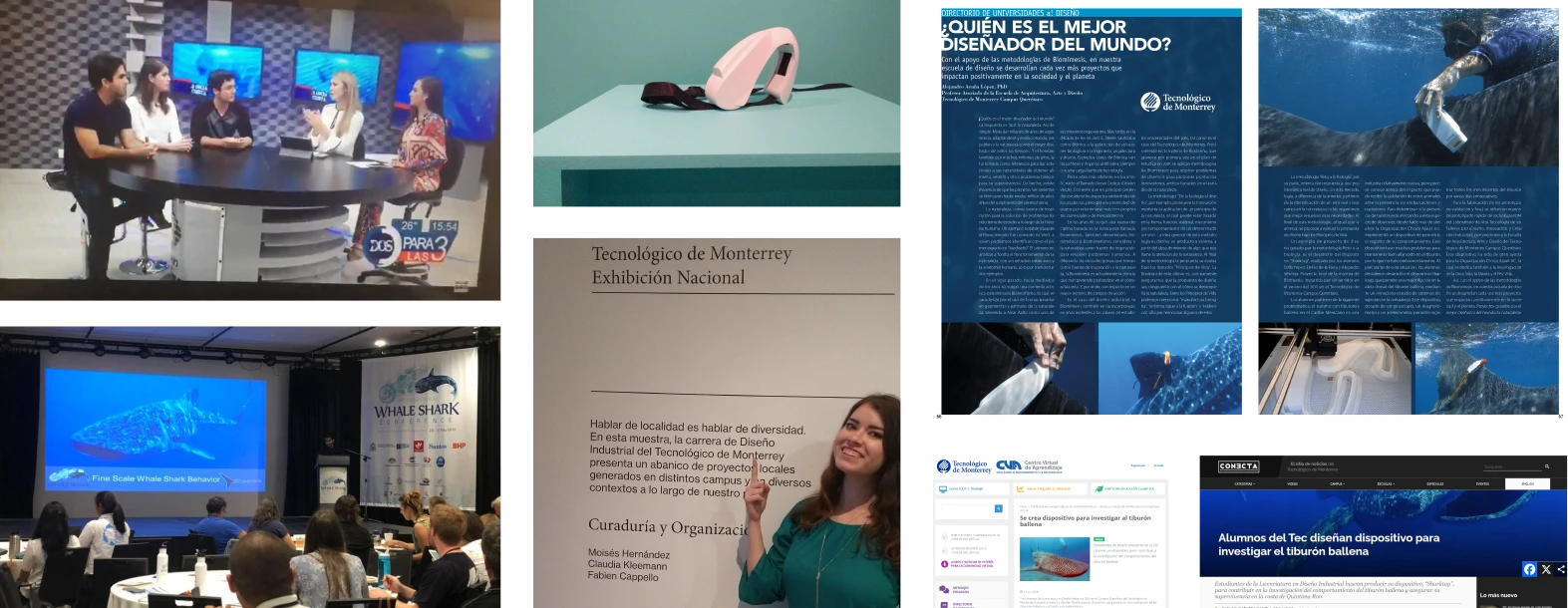
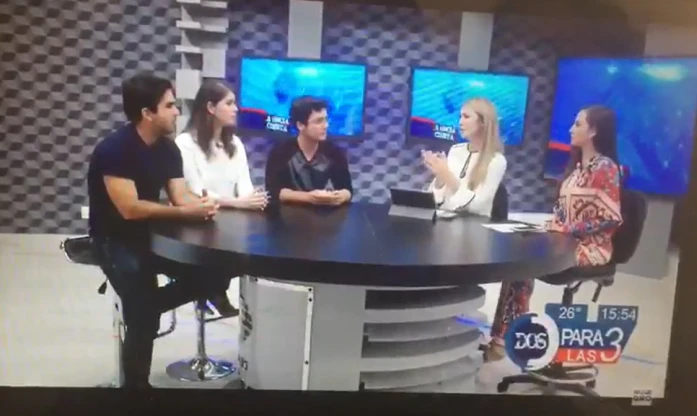
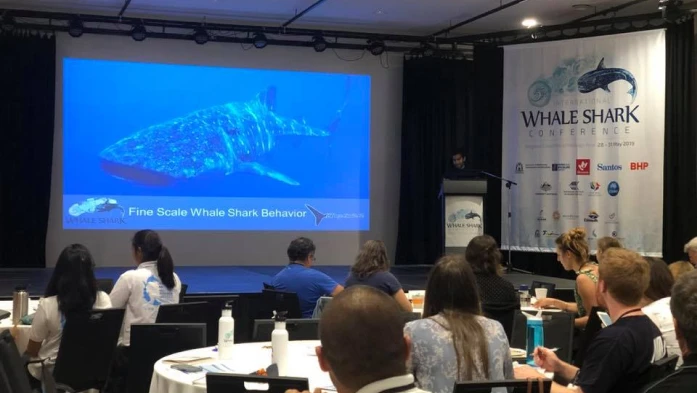
The Sharktag has been featured in several digital media such as A! Diseño magazine, Tec Review, some newspapers and even through national TV chain Televisa in a science segment. It has also been selected for exhibition purposes for the World Design Capital 2018, in Franz Mayer Museum Mexico and presented in Australia’s International Whale Shark Congress.
The design has been perfected through several tests and scientific feedback and is now undergoing trademark revision as we explore adaptations for other marine species